

 ️
️
A flexible production program for many small precision components under one quality standard.
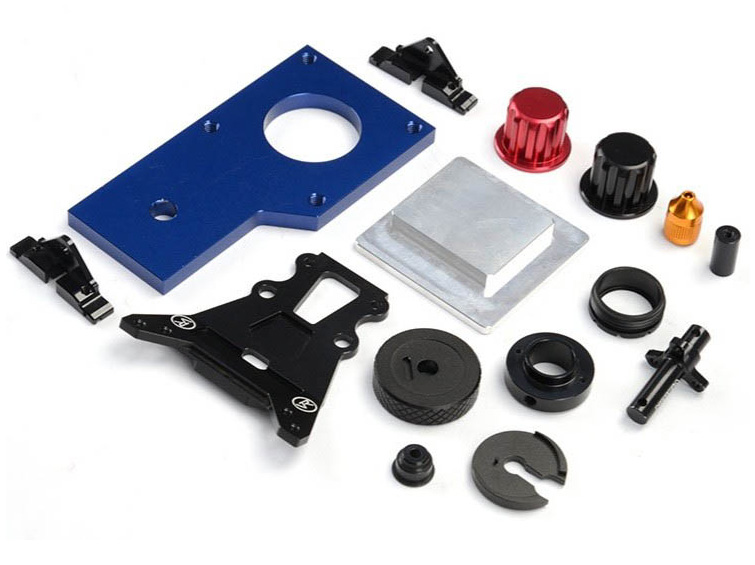
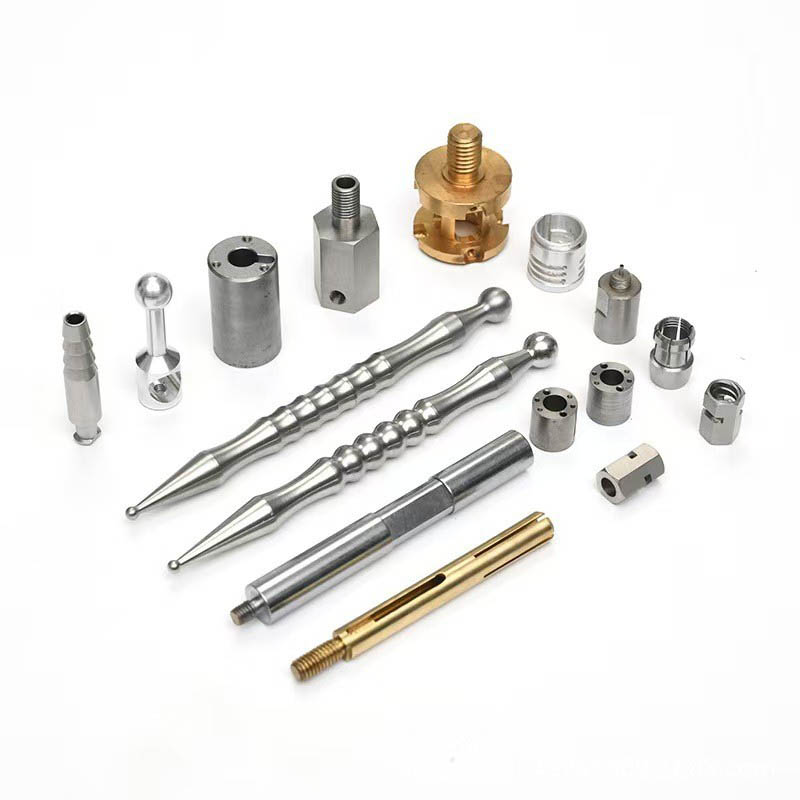
The product family included positioning shafts, fluid valve cores, threaded sleeves, adjustment rods, and small transmission components.
Each material and geometry served a different function, but the customer wanted one supplier capable of coordinating prototypes, mixed small batches, finishing, and repeat production.
Many materials, many part numbers, inconsistent suppliers, and micro-feature quality risk.
The customer previously divided small parts among several suppliers. Different machining standards, long setup times, unstable coaxiality, rough medical surfaces, and incomplete micro-deburring created assembly and purchasing problems.
- Slow changeovers and long lead times for mixed small batches
- Coaxiality error on long shafts and spherical features
- Rough surfaces increasing friction and complicating cleaning
- Different materials and finishes sourced from multiple vendors
- Residual burrs damaging seals and medical consumables
- Inconsistent inspection and reporting across part families
The customer needed one flexible precision source capable of producing many small geometries, materials, and finishes without sacrificing a unified quality standard.
Primary engineering considerationWhy the production system had to be flexible without becoming inconsistent.
Swiss turning offered stable support for long, small-diameter components and allowed turning, milling, drilling, slotting, and thread generation in one setup.
The quality plan also had to account for material-specific heat treatment and finishing, including passivation for medical stainless parts, plating for brass, anodizing for aluminum, and hardening for wear components.
Mixed-material control, one-setup coaxiality, long-shaft stability, spherical-form accuracy, micro-hole deburring, surface roughness, thread verification, finish traceability, and rapid part-number changeover.
A unified Swiss-turning platform with material-specific downstream processing.
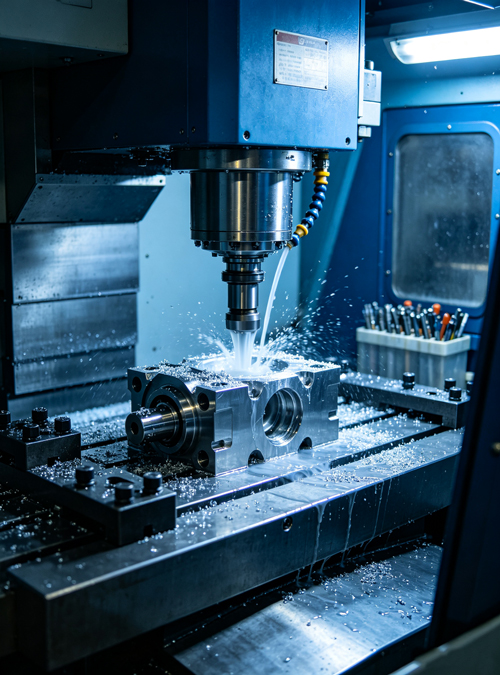
Multi-material Swiss-turning cell
The same production platform handled stainless steel, brass, aluminum, carbon steel, and martensitic stainless bar.
One-setup turn-mill geometry
Diameters, waves, threads, spherical ends, side holes, and slots were completed without secondary re-clamping. The source identifies coaxiality of 0.002 mm or better for long shafts and spherical components.
Mirror functional surfaces
High-finish turning and grinding produced surfaces as smooth as Ra 0.2 for low-friction moving or medical components.
Material-specific finishing
Parts received appropriate heat treatment, passivation, plating, anodizing, black oxide, or zinc finish according to use.
Fast changeover and unified inspection
Dedicated tooling supported rapid part-number changes, while common inspection reports and acceptance criteria standardized the mixed product family.
A flexible route from bar stock to finished micro component.
Material and drawing review
Confirm the alloy, heat treatment, finish, micro-features, and critical fits.
Swiss turn-mill machining
Complete turning, threading, spherical features, side holes, and slots in one setup.
Precision finishing
Grind or high-finish functional surfaces where required.
Micro-deburring
Remove chips and sharp edges from small holes and slots.
Heat treatment or surface finishing
Apply the material-specific process defined for the component.
Dimensional and visual inspection
Check coaxiality, threads, fit, roughness, and appearance before grouped delivery.
One quality framework across several materials and component families.
Inspection focused on coaxiality, thread accuracy, spherical or cylindrical form, matched fit, surface roughness, small-feature condition, and the correct material-specific surface treatment.
Material identity, coaxiality of 0.002 mm or better where specified, Ra 0.2 surfaces where required, thread gauges, micro-feature burr control, heat treatment, plating or passivation quality, and lot traceability.
Simplified sourcing with improved precision and faster mixed-batch delivery.
The customer reported smoother motion, more consistent positioning data, and easier cleaning of mirror-finished medical components.
Mixed part numbers and materials were delivered on schedule under one purchasing and quality-management process.
Quantitative, certification, qualification, and environmental-test outcomes are based on the supplied project documentation and should be verified against internal records before public publication.
Ongoing joint development of new non-standard micro components.
The customer reported that consolidating the family with one supplier reduced purchasing complexity and accelerated new-product development. Additional precision hardware was added to the long-term framework.
Project outcome summary based on the supplied case record