Manufacturing Materials for
Custom Parts, Prototypes, and Production
Choosing the right material is one of the most important decisions in custom manufacturing. Material selection can affect strength, weight, durability, machinability, tolerance, surface finish, cost, lead time, and long-term product performance.
At Innova Forge, we support a wide range of metals, engineering plastics, sheet metal materials, injection molding materials, 3D printing materials, and surface finishes for custom manufacturing projects. Whether you need CNC machined metal parts, plastic prototypes, laser-cut sheet metal components, injection molded parts, production tooling, or custom precision components, our team can help review suitable material and process options based on your design, application, and production requirements.
Through our digital manufacturing platform, customers can upload design files, explore available materials, review process options, and request pricing. For more complex projects, our engineering team can provide additional review and guidance before production begins.
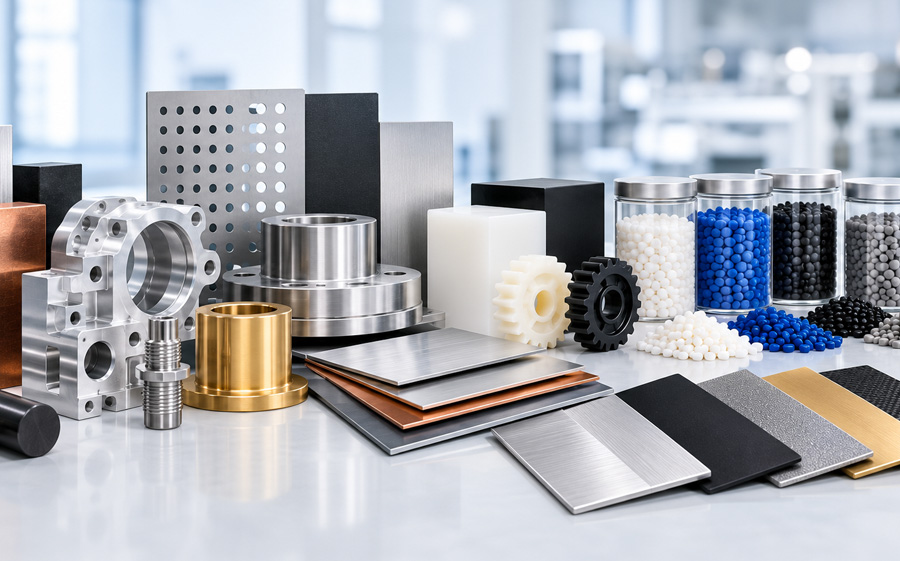
Use this page as a starting point to understand common materials used across CNC machining, sheet metal fabrication, laser cutting, injection molding, 3D printing, and surface finishing.
Used for strength, durability, heat performance, conductivity, structural integrity, or tight tolerance machining.
Selected for lightweight parts, functional prototypes, insulators, wear-resistant parts, and low-friction applications.
Used for laser-cut parts, formed components, brackets, enclosures, panels, covers, housings, frames, and structural components.
Used for repeatable plastic production parts, molded components, housings, enclosures, consumer products, and industrial applications.
Commonly used for rapid prototypes, concept models, design validation, functional testing, and early-stage product development.
Finishing can improve appearance, corrosion resistance, wear resistance, texture, hardness, or product performance.
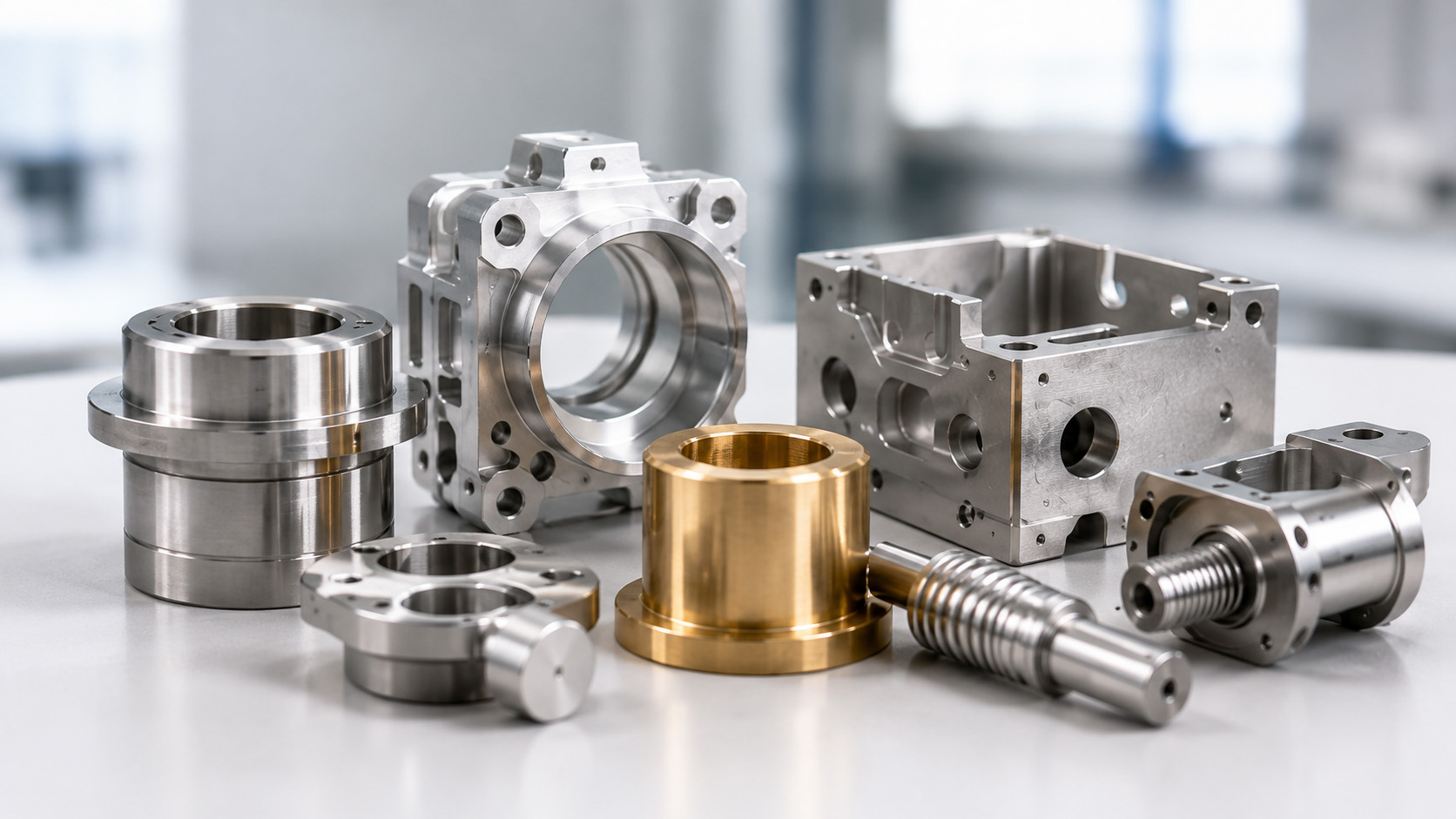
Aluminum is one of the most widely used materials for CNC machining because it is lightweight, machinable, corrosion-resistant, and suitable for a broad range of applications.
Stainless steel offers strength, corrosion resistance, durability, and a professional surface appearance. It is suitable for parts that require structural performance and long-term durability.
Mild steel is a cost-effective material commonly used for structural components, brackets, frames, fixtures, and general-purpose mechanical parts.
Alloy steel is selected when parts require improved strength, toughness, wear resistance, or mechanical performance compared to standard carbon steel.
Tool steel is used for tooling, molds, dies, fixtures, cutting tools, and components that require hardness, wear resistance, and dimensional stability.
Brass is a machinable metal with good corrosion resistance, electrical conductivity, and an attractive appearance. It is commonly used for fittings and precision parts.
Copper is known for excellent electrical and thermal conductivity. It is often used for electrical components, heat transfer parts, busbars, and connectors.
Titanium offers a strong strength-to-weight ratio, corrosion resistance, and performance in demanding applications. It is often considered for high-performance and specialized industrial components.
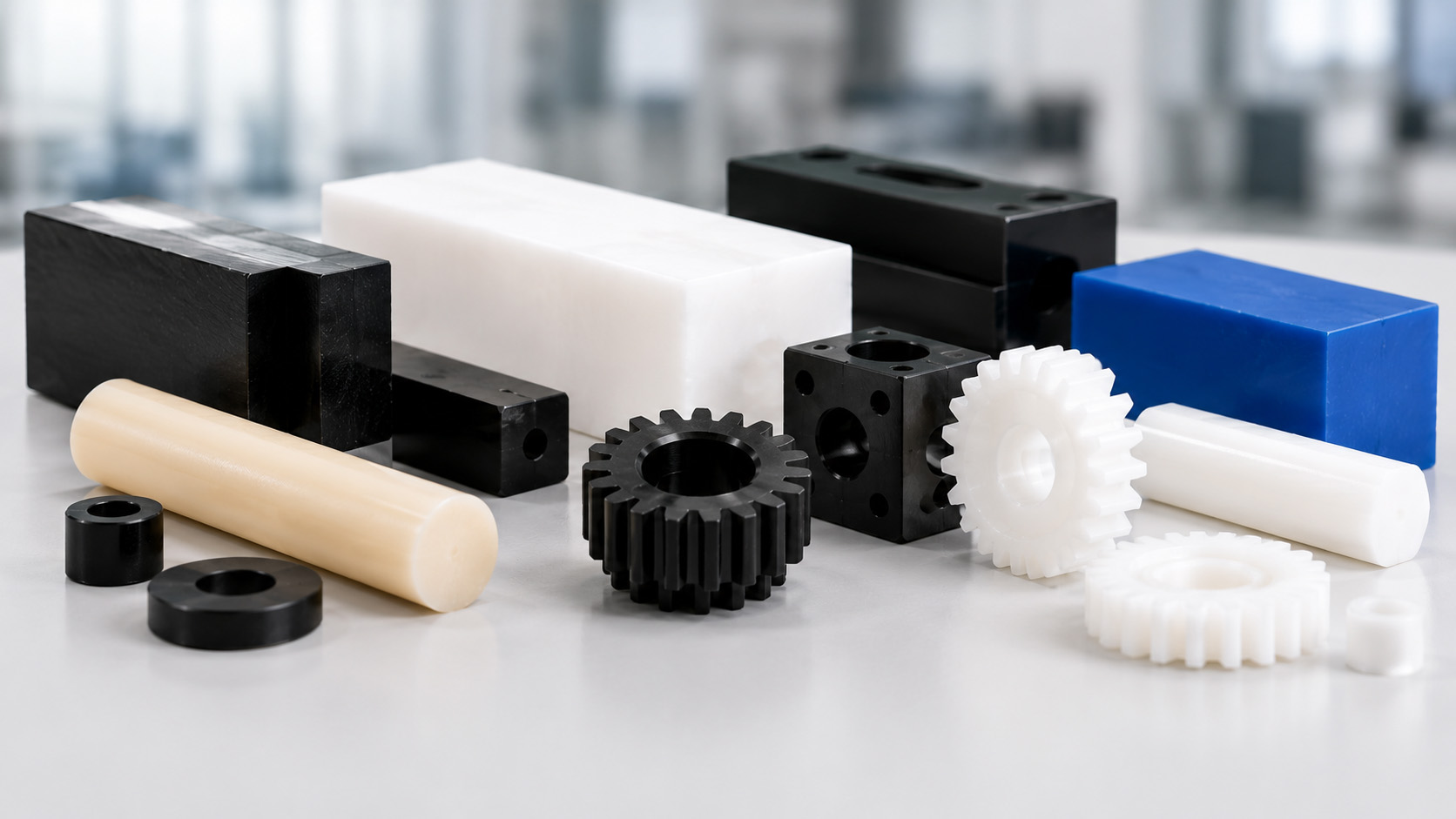
ABS is a durable and impact-resistant plastic commonly used for prototypes, housings, enclosures, and functional plastic components.
Nylon is a strong and wear-resistant engineering plastic with good toughness and low-friction properties.
POM, also known as Delrin or Acetal, is a strong engineering plastic with excellent machinability, dimensional stability, and low friction.
Polycarbonate is a strong, impact-resistant plastic with good transparency and toughness.
PMMA, commonly known as acrylic, is a transparent plastic with good optical clarity and surface appearance.
PEEK is a high-performance engineering plastic with strong mechanical properties, heat performance, and chemical resistance.
PTFE is known for low friction, chemical resistance, and non-stick properties.
Polypropylene is a lightweight plastic with good chemical resistance and flexibility.
PE and HDPE are lightweight plastics with good impact resistance, chemical resistance, and durability.
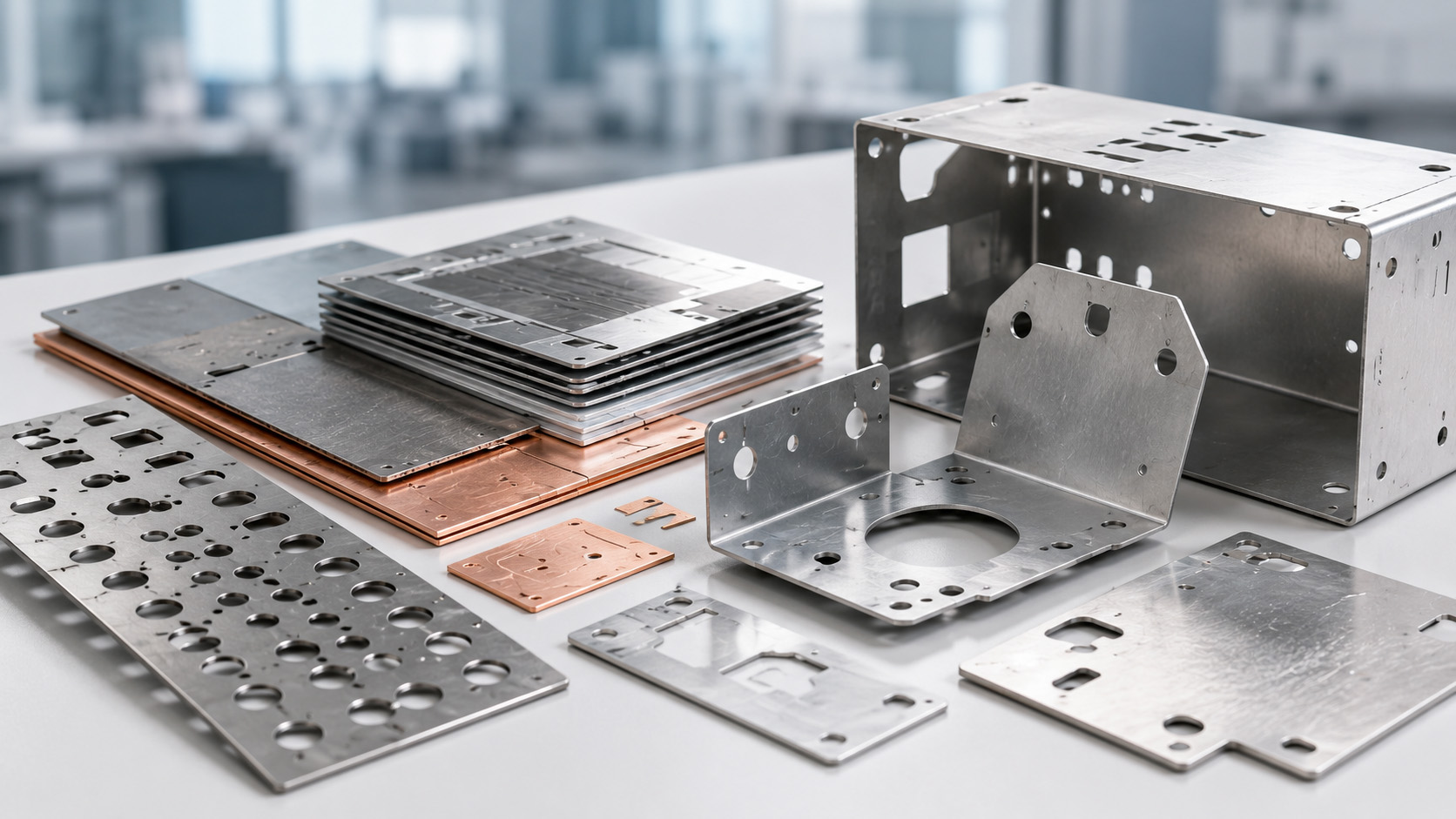
Aluminum sheet metal is lightweight, corrosion-resistant, and suitable for laser-cut parts, enclosures, panels, brackets, and structural components where weight reduction is important.
Stainless steel sheet metal provides strength, durability, and corrosion resistance for industrial components, enclosures, panels, brackets, and demanding environments.
Mild steel sheet metal is a cost-effective option for laser-cut parts, brackets, frames, panels, cabinets, and general fabrication applications requiring strength and weldability.
Cold rolled steel offers improved surface finish and dimensional accuracy compared to hot rolled steel, making it suitable for panels, enclosures, and formed components.
Galvanized steel provides corrosion resistance through a protective zinc coating and is commonly used for outdoor, structural, and industrial sheet metal applications.
Copper sheet metal is used for electrical, thermal, decorative, and conductive applications where material performance and appearance are important.
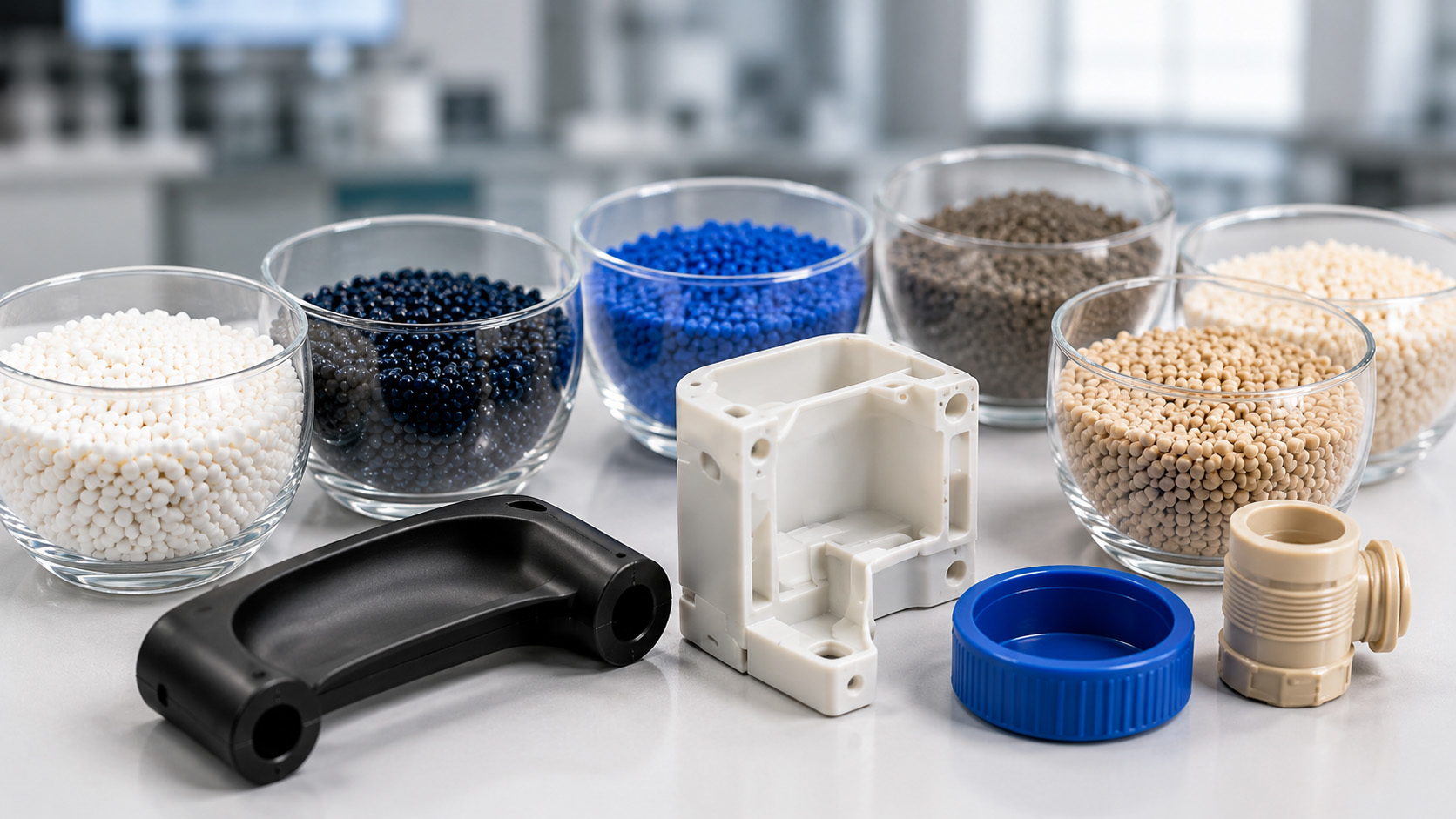
Widely used for durable plastic housings, enclosures, consumer products, and functional molded components.
Lightweight, chemical-resistant, and commonly used for packaging, consumer products, flexible components, and molded parts.
Durable, impact-resistant, and suitable for containers, covers, industrial parts, and general molded components.
Selected for impact-resistant components, transparent parts, protective covers, and durable housings.
Used for molded mechanical components, gears, clips, bushings, and functional parts requiring strength and wear resistance.
Used for precision molded parts requiring dimensional stability, low friction, and good mechanical performance.
Used for transparent molded parts, lenses, covers, display components, and aesthetic applications.
Flexible materials commonly used for grips, seals, soft-touch components, protective parts, and flexible product features.
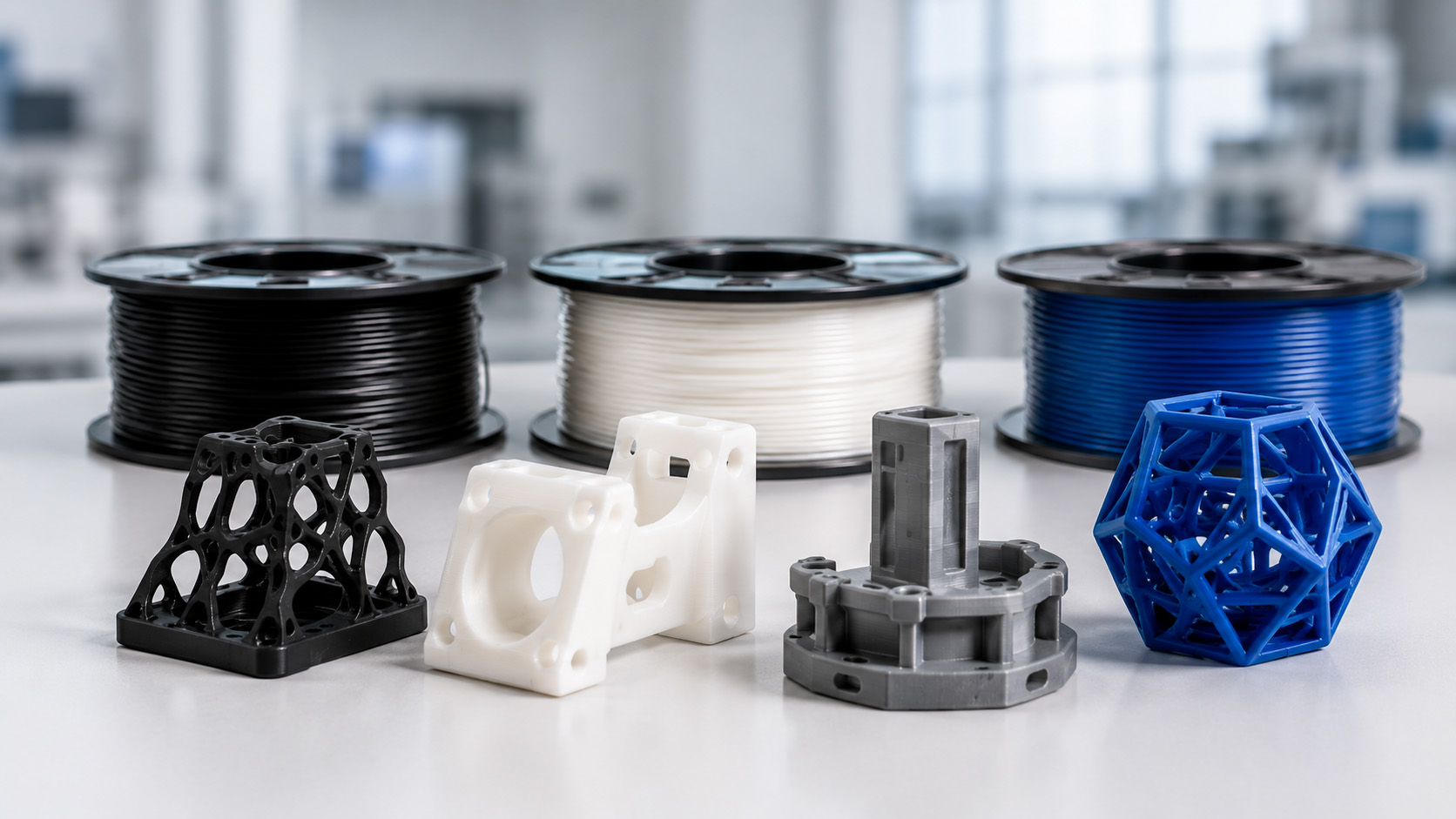
Commonly used for concept models, visual prototypes, and early-stage design validation where ease of printing and appearance are important.
Suitable for functional prototypes, housings, and parts requiring better toughness and durability than basic concept materials.
Used for functional prototypes, mechanical parts, and components requiring toughness, flexibility, and wear resistance.
Provides a balance of durability, impact resistance, and printability, making it useful for functional prototypes and product development parts.
A flexible 3D printing material used for soft, elastic, impact-resistant, or flexible prototype components.
Often used for detailed prototypes, visual models, small components, and parts requiring fine surface detail.
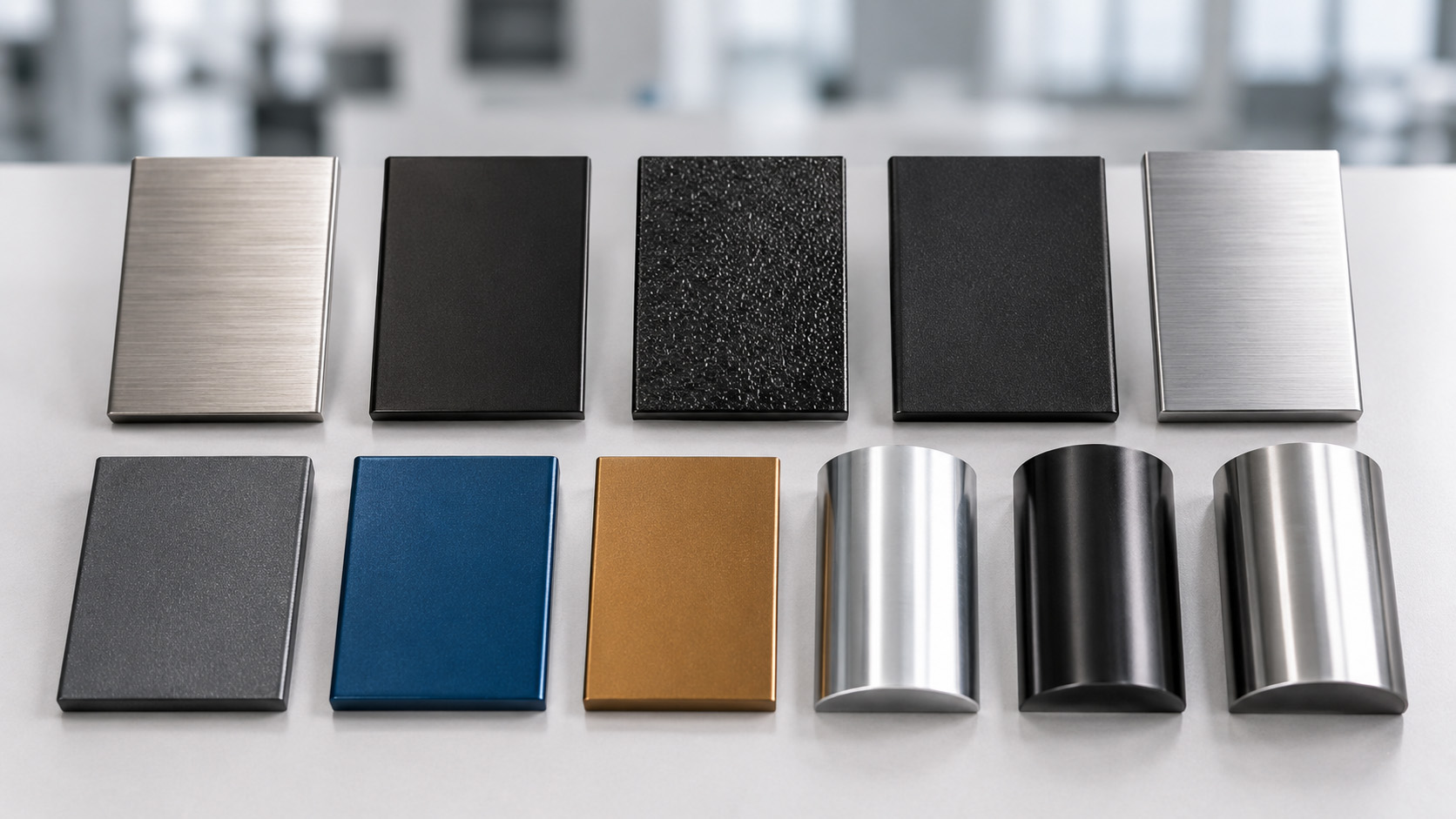
Commonly used for aluminum parts to improve corrosion resistance, surface hardness, and appearance.
Provides a durable, protective, and decorative finish for metal parts such as enclosures, brackets, and panels.
Can improve corrosion resistance, conductivity, wear resistance, or appearance depending on the selected plating material.
Improves surface smoothness and appearance for parts requiring a cleaner, more refined visual finish.
Creates a directional surface texture often used for decorative or functional metal components.
Creates a uniform matte surface finish and is commonly used before anodizing or as a final cosmetic finish.
Provides color, protection, and improved appearance for metal or plastic parts depending on the application.
Material selection can have a major impact on product performance, cost, lead time, and manufacturability. The right choice depends on how the part will be used, the environment it will operate in, required strength, weight limits, tolerance requirements, surface finish expectations, and production volume.
If you are not sure which material is best for your application, our team can review your design requirements and help identify suitable material and manufacturing process options before production begins.
These questions help customers understand material availability, process compatibility, laser cutting options, and engineering support before submitting a quote.
Innova Forge supports a wide range of metals, engineering plastics, injection molding materials, sheet metal materials, 3D printing materials, and surface finishes for custom manufacturing projects.
Common CNC machining metals include aluminum, stainless steel, mild steel, alloy steel, tool steel, brass, copper, and titanium. Material availability may depend on part design, production process, grade, size, quantity, and project requirements.
Common CNC machining plastics include ABS, Nylon, POM / Delrin / Acetal, Polycarbonate, PMMA / Acrylic, PEEK, PTFE, PP, PE, and HDPE.
Yes. Innova Forge offers laser cutting for sheet metal parts, flat profiles, panels, brackets, enclosures, and other custom components. Material suitability may depend on thickness, geometry, tolerance requirements, surface finish, and project specifications.
Common laser cutting materials may include aluminum, stainless steel, mild steel, cold rolled steel, galvanized steel, and copper. Availability can vary depending on material grade, thickness, part geometry, and project requirements.
Yes. Laser-cut sheet metal parts can often be combined with bending, forming, welding, powder coating, painting, brushing, or other finishing options depending on the material and application.
Yes. Our team can review your design requirements, application needs, and production goals to help identify suitable material and manufacturing process options.
Yes. If your project requires a specific material grade, please include it in your design file, drawing, or RFQ notes. Our team can review availability and confirm whether the requested grade is suitable for your project.
Material certificates may be available upon request depending on the material, supplier, and project requirements. Please include certification requirements when submitting your quote request.
Not always. Material availability and process compatibility may vary depending on part geometry, grade, size, quantity, tolerance, finish, and lead time. Our team can review your project and recommend suitable options.
Yes. If your selected material is not available or not ideal for the application, our team can recommend alternatives based on performance, cost, manufacturability, and lead time.
Yes. Material choice can affect raw material cost, machining time, tooling requirements, finishing options, production complexity, and lead time.
Yes. If you need a specific material not listed on this page, please upload your design or contact our team. We can review availability and recommend suitable alternatives when needed.
The best material depends on your application. Aluminum is commonly used for lightweight and machinable parts, stainless steel for strength and corrosion resistance, brass for fittings and conductivity, and engineering plastics for lightweight or low-friction components.
Yes. Surface finishing options may include anodizing, powder coating, plating, polishing, brushing, bead blasting, painting, and other finishing services depending on the selected material and process.
Upload your CAD file, drawing, or project requirements and our team will review suitable material, process, and production options.



 ️
️