

 ️
️
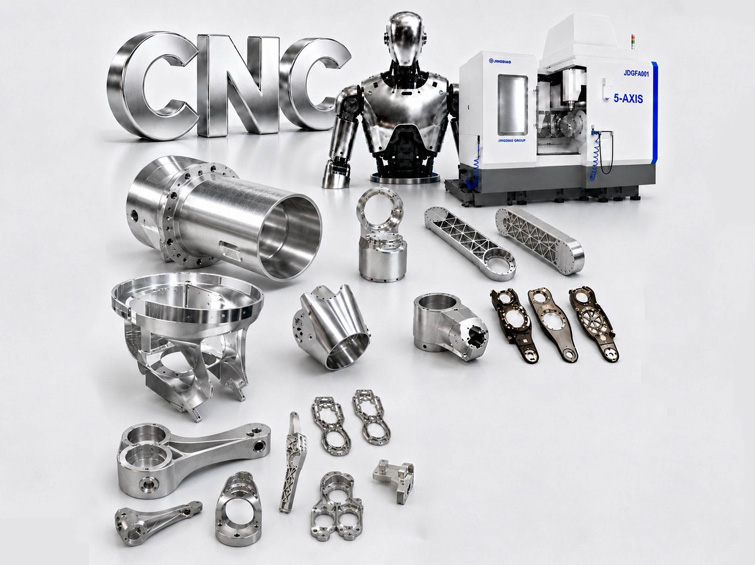
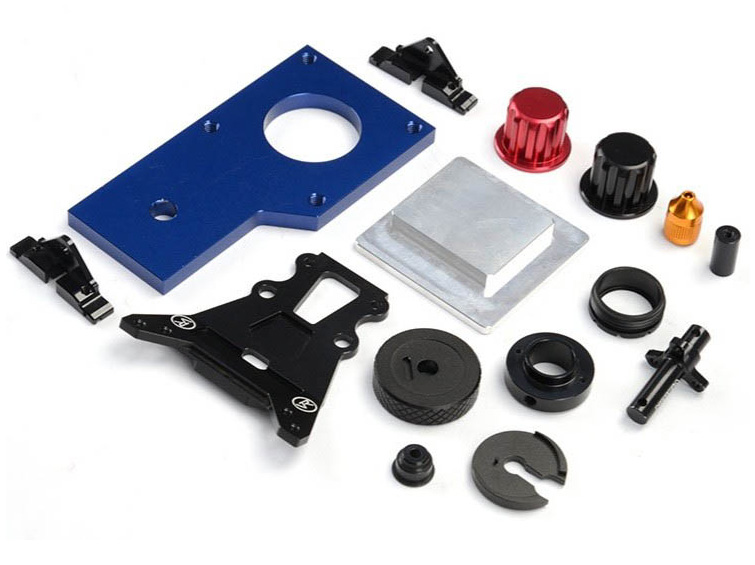
A coordinated structural family forming the load-bearing skeleton of a robot.
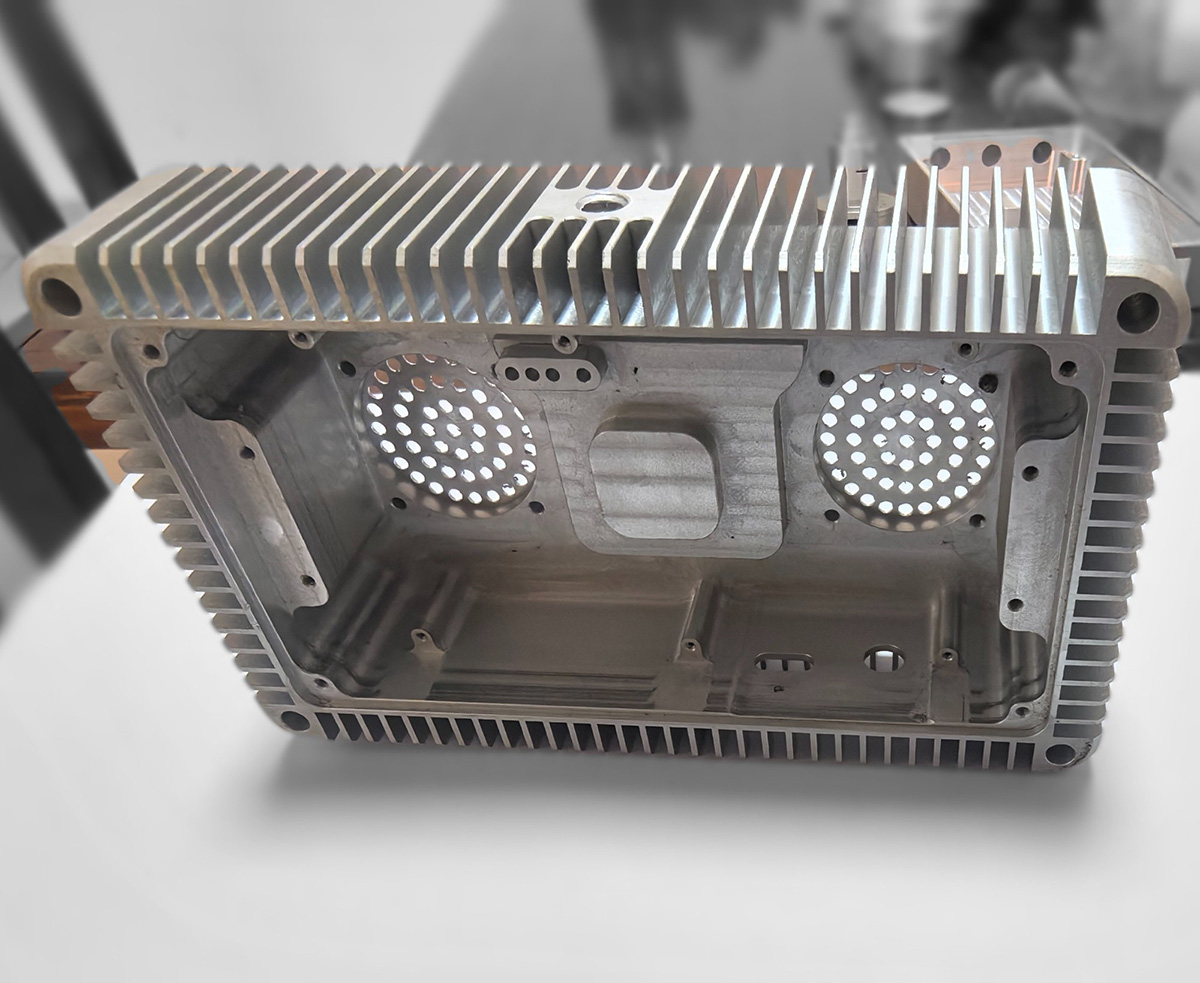
The program covered torso structures, joint links, hollow load-bearing bases, and lightweight arms that integrate motor, reducer, bearing, and sensor interfaces.
The customer required a common manufacturing and inspection standard across the complete structure so that parts from different modules would assemble without extensive fitting or calibration.
Multi-supplier mismatch, repeated setup error, vibration, stress movement, and fatigue cracking.
The previous supply model split the torso, joints, and links among several shops. Different datum strategies and inspection methods created fit variation and extended full-robot assembly.
- Multi-angle and curved geometry exceeding conventional three-axis repeatability
- Vibration and loose interfaces in multi-piece assembled structures
- More than 20% rework from stress movement and batch inconsistency
- Tool-transition marks creating fatigue concentration
- Long system integration due to dimensional mismatch between suppliers
- Need for continuous full-load operation and higher rated payload
The customer needed the complete robot structure to behave as one coordinated system, not as unrelated parts from several machining suppliers.
Primary engineering considerationWhy common datums and stress-control standards were essential across the full robot.
Each module carried its own motor and transmission interfaces, but assembly performance depended on how those interfaces related across the entire robot.
Large cavities and lightweight webs also released residual stress. The same staged machining and inspection logic had to be applied consistently to every structural part.
Cross-part datum compatibility, forging selection, one-piece stiffness, position and coaxiality, residual stress, curved fatigue surfaces, anodizing, shared CMM methods, and complete-set traceability.
One manufacturing and quality system for the complete robot structure.
Material matched to load case
7075-T6 forgings supported lightweight arms and links, while 6061-T6 was used for larger stable bases. 4340 forged steel remained available for special heavy-load components.
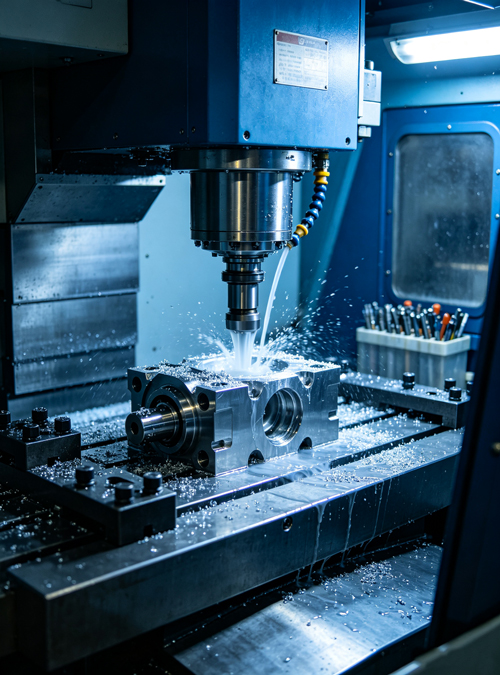
Five-axis one-setup machining
Curved surfaces, weight-reduction webs, deep cavities, and multi-angle holes were completed with common datum logic. The source identifies position control to ±0.003 mm.
Dual stress-relief processing
Rough and semi-finish stages were followed by controlled stabilization to keep final dimensional movement below 0.008 mm in the supplied project record.
Smooth contour milling and one-piece design
One-piece components replaced assembled structures, and smooth interpolation reduced fatigue concentration.
Unified fixtures and CMM reporting
The complete component family used shared fixtures, inspection standards, and reports to improve cross-part fit.
A common process architecture across the robot’s structural modules.
Load-case and material assignment
Select 7075, 6061, or special steel according to mass, stiffness, and load.
Forging preparation
Use dense forged blanks and establish common datum strategy.
Five-axis rough machining
Open cavities, webs, and major structural features.
First and second stabilization stages
Release stress after roughing and semi-finishing.
Five-axis finish machining
Complete motor, reducer, sensor, bearing, and assembly interfaces.
Deburring and hard anodizing
Protect cables and seals while adding wear and corrosion resistance.
Shared CMM inspection
Verify every structural component using common geometric standards.
Shared dimensional standards across a complete robot platform.
The supplied program specifies critical tolerances to ±0.005 mm, position control to ±0.003 mm, and 100% CMM inspection of the finished structural components.
Material identity, cross-part datums, position, coaxiality, profile, dimensional stability after aging, anodized surfaces, assembly matching, and lot-level reports.
More stable robot motion and a shorter complete-system development cycle.
The customer reported stable repeat positioning, elimination of joint vibration, and no structural failure during eight months of continuous full-load operation.
One-source delivery removed dimensional mismatch between multiple suppliers and improved overall platform integration.
Quantitative, certification, qualification, and environmental-test outcomes are based on the supplied project documentation and should be verified against internal records before public publication.
Annual framework for continuing humanoid-robot development.
The customer entered an annual supply agreement and continued joint development of new lightweight humanoid-robot structures.
Project outcome summary based on the supplied case record