Stainless steel is commonly used in CNC machining, sheet metal fabrication, laser cutting, and custom manufacturing because it offers strength, durability, corrosion resistance, and a clean surface appearance.
Two common stainless steel grades are Stainless Steel 304 and Stainless Steel 316. Stainless Steel 304 is often selected for general-purpose components and industrial applications. Stainless Steel 316 is often selected when improved corrosion resistance is needed.
What Is Stainless Steel 304?
Stainless Steel 304 is one of the most widely used stainless steel grades. It offers a good balance of corrosion resistance, strength, formability, and cost efficiency. It is commonly used for CNC machined components, sheet metal parts, enclosures, panels, brackets, fittings, equipment parts, and general corrosion-resistant parts.
What Is Stainless Steel 316?
Stainless Steel 316 is known for improved corrosion resistance compared to 304, especially in environments involving moisture, chemicals, or salt exposure. It is commonly used for corrosion-resistant components, marine-related components, outdoor parts, chemical exposure applications, medical device development components, and specialized industrial parts.
Main Difference
The main difference is corrosion resistance. Stainless Steel 316 generally offers better resistance in more demanding environments. Stainless Steel 304 is usually more cost-effective and suitable for many general-purpose applications.
Machinability and Finish
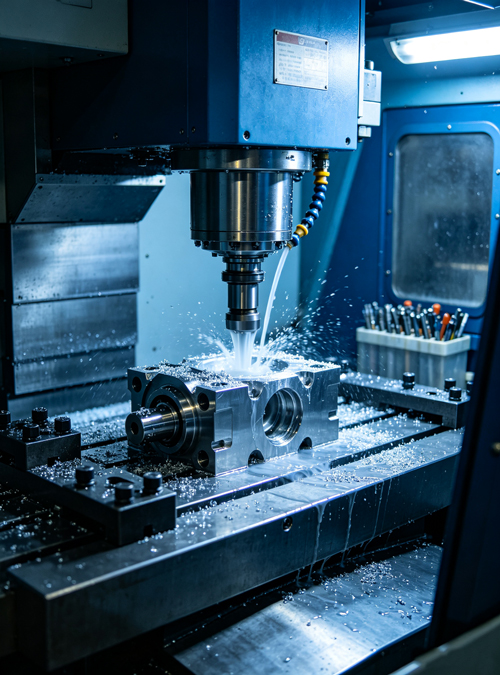
Both 304 and 316 can be CNC machined, but stainless steel is generally more difficult to machine than aluminum or brass. Common finishes include machined finish, brushing, polishing, bead blasting, passivation where applicable, plating when required, and painting or powder coating depending on application.
Cost Considerations
Stainless Steel 304 is generally more cost-effective than Stainless Steel 316. If the application does not require the additional corrosion resistance of 316, 304 may be the more practical choice.
Which One Should You Choose?
Choose 304 if you need general corrosion resistance, indoor or standard industrial use, cost efficiency, and no heavy moisture, salt, or chemical exposure.
Choose 316 if the part will be exposed to moisture, chemicals, salt, outdoor environments, or more demanding operating conditions.
Final Thoughts
Stainless Steel 304 and 316 are both useful materials for custom manufacturing. 304 is often the practical choice for general-purpose stainless steel parts. 316 is often better when improved corrosion resistance is required. The right material depends on where and how the part will be used.
Ready to discuss your project?
Upload your CAD file, drawing, material requirement, quantity, and project notes. Our team can review your requirements and help identify suitable manufacturing options.



 ️
️