

 ️
️
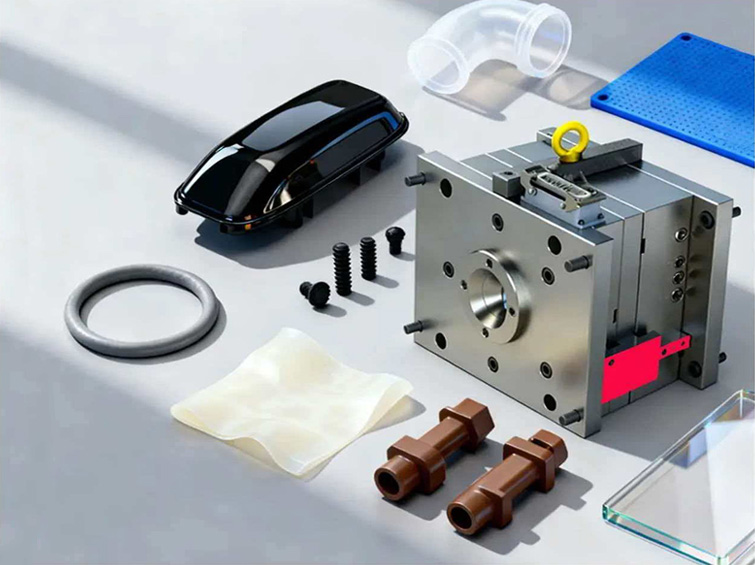
One program covering tooling, molding, sealing components, and downstream assembly.
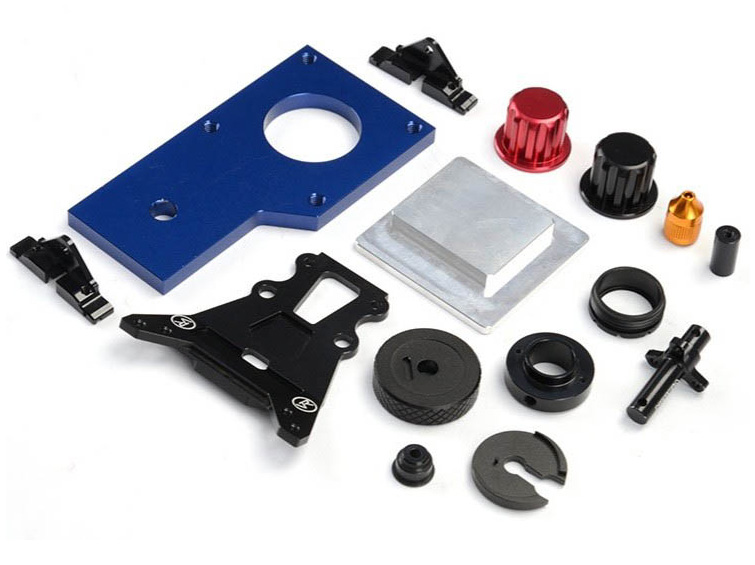
The project included precision injection molds and finished molded components such as plastic housings, transparent tubes, silicone seals, engineering-plastic fittings, spacers, and related assembly hardware.
The combined program supported automotive electronics, medical devices, appliances, water and fluid systems, and industrial equipment.
Supplier fragmentation, cosmetic defects, specialty resins, and assembly mismatch.
The customer had previously coordinated separate mold, rigid-plastic, silicone, and assembly suppliers. That fragmentation created longer communication cycles and made it difficult to control mating dimensions between hard and soft components.
- Transparent and high-gloss parts showing scratches, bubbles, sink marks, and shrinkage
- Repeated mold revisions caused by limited flow analysis before toolmaking
- PEEK and PPSU requiring suitable tool steel and high-temperature molding capability
- Dimensional mismatch between rigid plastics and silicone seals
- Difficulty moving from pilot quantities into stable high-volume production
- Need for integrated inspection, cleaning, assembly, and packaged delivery
The customer did not need only a mold. The requirement was a coordinated manufacturing program in which tooling, rigid plastics, silicone seals, and final assembly dimensions were controlled together.
Primary engineering considerationWhy independent suppliers created repeated technical and scheduling problems.
Transparent and high-gloss parts depend on mold-surface quality, venting, gate location, cooling, and shrinkage control. Without early simulation, trial corrections can extend the tool-development cycle.
The rigid and silicone components also shared functional sealing interfaces. If the two tool sets were designed to different datums or tolerance assumptions, the finished assembly could leak even when each individual part was within its own drawing tolerance.
Mold-flow behavior, tool-steel selection, cavity polish, cooling and venting, specialty-resin temperature, shared assembly datums, pilot-to-volume scalability, visual quality, and final sealing fit.
An integrated tooling and multi-material molding program.
CAE mold-flow analysis before toolmaking
Filling, cooling, shrinkage, deformation, gate location, and venting were reviewed before machining the tool, reducing the need for repeated mold correction.
Tool materials matched to the molded product
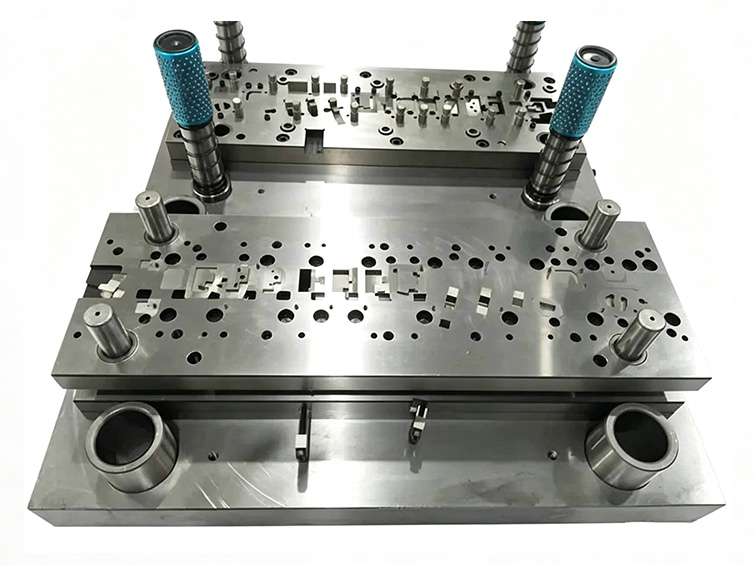
S136 mirror-polished tooling supported transparent and corrosion-sensitive parts. H13 tooling and high-temperature molding capability were used for PEEK and PPSU applications.
Coordinated rigid-plastic and silicone dimensions
The rigid and soft tooling shared common assembly references so that mating dimensions and sealing interfaces could be checked together.
Flexible pilot-to-volume production
The manufacturing plan supported initial small-batch validation and a controlled transition into automated higher-volume production.
Integrated downstream services
Post-molding work included deburring, ultrasonic cleaning, dimensional and visual inspection, simple assembly, and packaged delivery.
From mold-flow analysis to assembled molded products.
DFM and CAE analysis
Review filling, cooling, shrinkage, deformation, gates, vents, and assembly datums.
Tool-material preparation and CNC machining
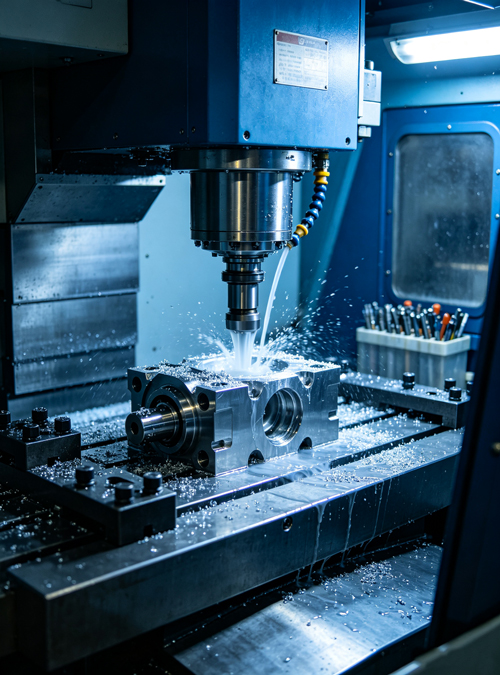
Machine the mold base, inserts, and primary cavity geometry.
EDM, WEDM, and cooling channels
Finish detailed features, parting geometry, and internal water circuits.
Polishing, fitting, and mold trial
Prepare mirror or textured surfaces, assemble the tool, and validate trial parts.
Rigid-plastic and silicone molding
Produce common, transparent, engineering-resin, and sealing components.
Inspection, cleaning, and assembly
Verify dimensions and appearance, clean the parts, and complete specified assembly.
Pilot-to-volume production
Scale the approved process from development quantities into repeat manufacturing.
Quality control linked tool performance to final assembly fit.
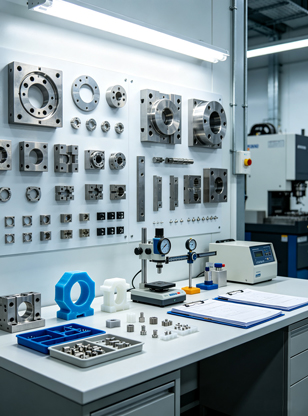
The program combined mold-flow review, tool-trial validation, cavity and surface inspection, molded-part dimensional control, visual inspection, and verification of rigid-to-silicone mating interfaces.
Cavity finish, gate and vent performance, shrinkage, warpage, cosmetic defects, molded-part dimensions, rigid-to-soft assembly fit, sealing performance where specified, and production repeatability.
Shorter coordination cycles and more stable multi-material production.
The supplied project record reports fewer mold revisions, improved first-trial performance for transparent and high-gloss parts, and stable production of high-temperature engineering plastics.
The integrated workflow also allowed pilot quantities and larger production orders to use the same coordinated tooling, inspection, and assembly standards.
Quantitative and certification-related outcomes are based on the supplied project documentation and should be verified against internal records before public publication.
Long-term support across multiple molded product families.
According to the supplied case record, the customer continued the relationship across automotive, medical, and water-system products and referred additional industry contacts after the program entered stable production.
Project outcome summary based on the supplied case record