

 ️
️
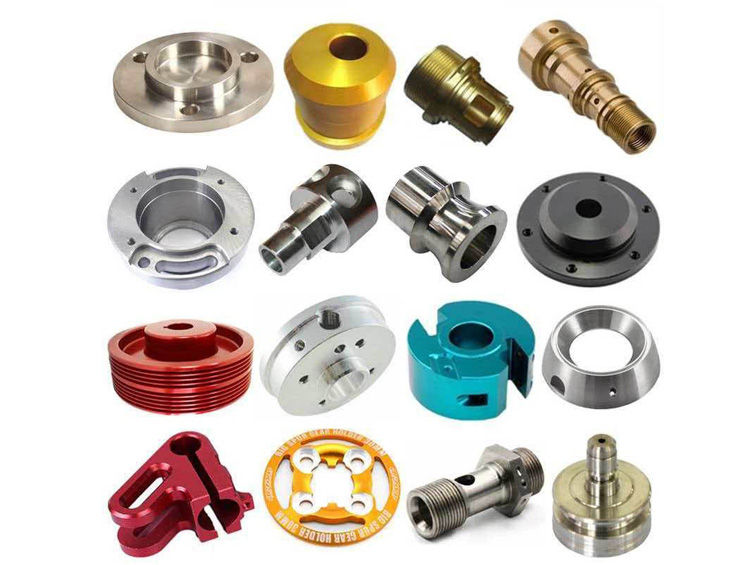
A flexible precision-machining program for varied materials and component geometries.
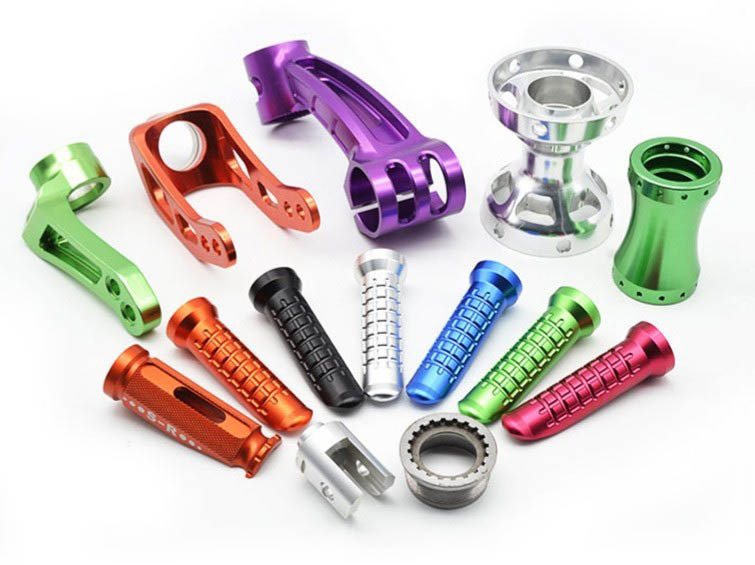
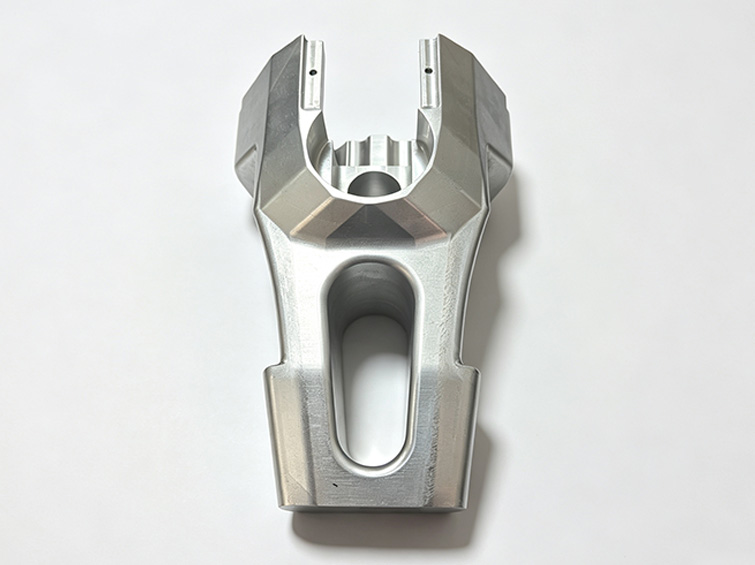
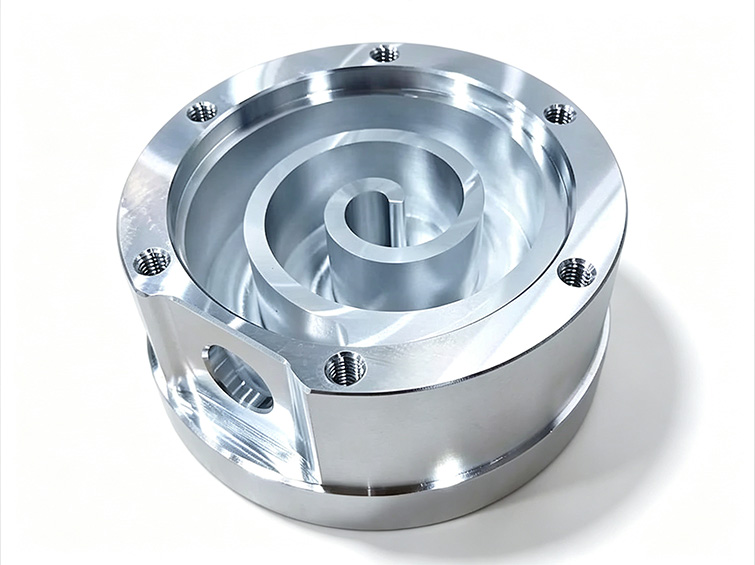
The portfolio included rotational features such as threads and bores together with milled slots, curved surfaces, side holes, mounting features, and sealing interfaces.
Applications ranged from hydraulic fittings and servo adapters to energy-system connectors, vehicle-upgrade parts, medical bases, inspection fixtures, and custom tooling components.
Split turning and milling, inconsistent finishes, leakage, vibration, and fragmented outsourcing.
The customer’s component family combined turned and milled features. Conventional routing through separate machines introduced concentricity error, long lead time, and inconsistent quality.
- Rotational and prismatic features requiring several setups
- Concentricity and coaxiality error after transfer between machines
- Thread and sealing-face defects causing fluid leakage
- Limited color and corrosion-resistant finishing options
- Several subcontractors for machining, deburring, and surface treatment
- Slow response to small prototypes and changing part numbers
The customer needed one production system that could handle different alloys, geometries, finishes, and volumes while preserving the critical relationship between turned and milled features.
Primary engineering considerationWhy one-setup geometry and downstream finishing had to be managed as a single process.
Threads, sealing faces, and rotating datums often established the functional reference, while side slots and mounting holes depended on that same axis.
Surface treatment could also change fit or corrosion performance, so machining allowance, coating selection, inspection, and final packaging had to be planned together.
Turned-to-milled datum relationship, concentricity, sealing-face finish, thread class, material selection, surface-treatment allowance, corrosion environment, rapid changeover, and batch traceability.
A complete turn-mill and surface-finishing platform.
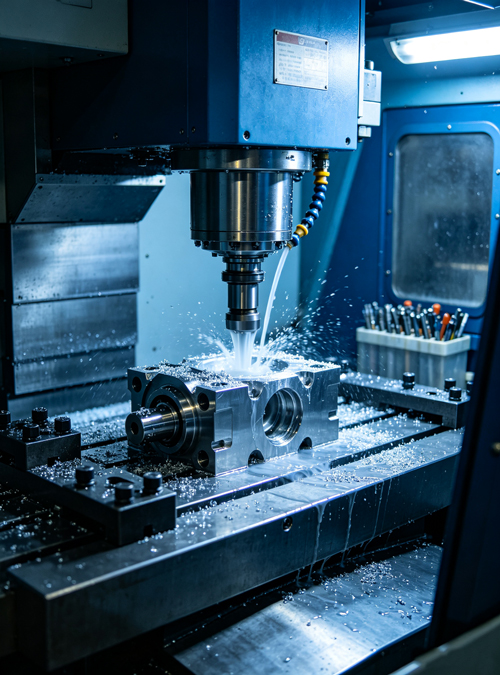
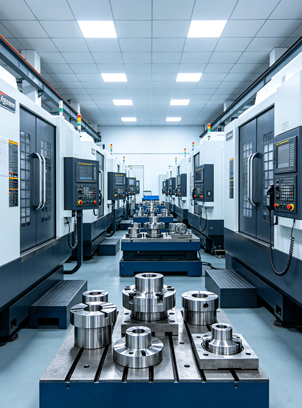
One-setup turn-mill machining
Rotational surfaces, threads, bores, side slots, curved features, and holes were completed with reduced re-clamping. The source identifies sealing and thread tolerances within ±0.005 mm where specified.
Material-specific finishing
Aluminum received multi-color hard anodizing; steel received black oxide, chrome, or heat treatment; stainless received polishing and passivation; and copper alloys received nickel or gold plating.
Closed-loop dimensional inspection
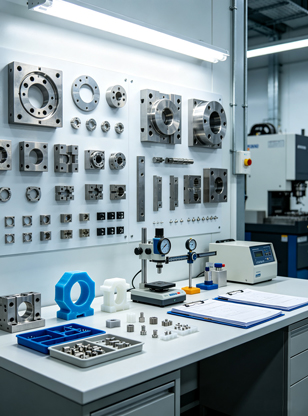
CMM, micrometers, and thread gauges were used to record critical sealing, thread, and location features.
Flexible rapid-production model
The program supported one-piece prototypes, same-day scheduling, and complex sample delivery in as little as three days according to the source.
DFM and cost optimization
Toolpaths, stock allowance, and lightweight geometry were reviewed to reduce unnecessary operations and material.
Complete downstream delivery
Deburring, finishing, inspection, marking, and packaging were integrated so the parts arrived ready for assembly.
A configurable route for many precision component types.
DFM and process selection
Review the material, geometry, datum, fit, surface treatment, and production volume.
Turn-mill or multi-axis machining
Complete the rotational and prismatic features with reduced re-clamping.
Secondary precision operations
Add holes, threads, bores, grooves, and specialized surface details.
Deburring and hand finishing
Remove sharp edges and prepare visible or sealing surfaces.
Material-specific surface treatment
Apply anodizing, passivation, plating, black oxide, or heat treatment.
Dimensional, thread, and visual inspection
Record the critical assembly and sealing characteristics.
Marking, packaging, and delivery
Complete traceable marking and direct-assembly packaging.
Quality control adapted to each component’s functional datum and environment.
Inspection plans were customized around rotating datums, sealing surfaces, thread classes, mounting positions, surface-treatment allowance, corrosion protection, and the customer’s direct-assembly requirements.
Material identity, concentricity, coaxiality, sealing-face finish, threads, location features, coating allowance, corrosion-resistant finish, visual quality, and batch records.
More consistent parts with shorter sourcing and development cycles.
The customer reported that equipment vibration and noise complaints were largely eliminated and that colorful anodized products achieved stronger market differentiation.
One-stop machining and finishing reportedly replaced three to four outside suppliers and reduced coordination effort by half.
Quantitative, certification, qualification, and environmental-test outcomes are based on the supplied project documentation and should be verified against internal records before public publication.
Annual multi-industry sourcing across the precision-component portfolio.
The customer established a long-term annual framework covering hydraulic, automation, and vehicle-upgrade components and continued referring related customers.
Project outcome summary based on the supplied case record